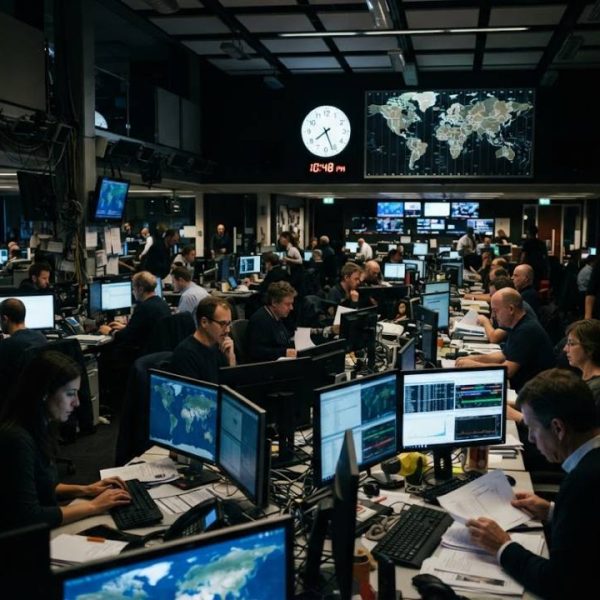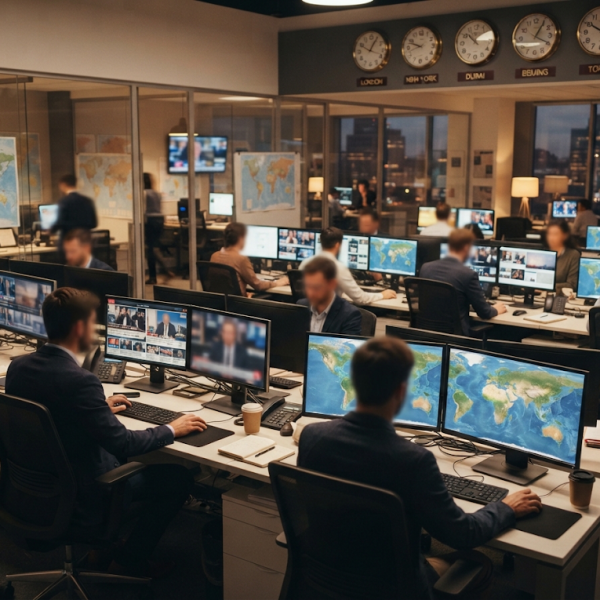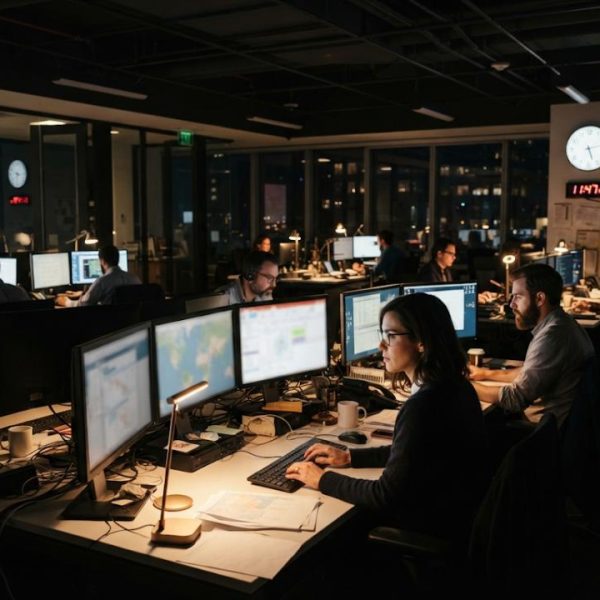
A major story breaks in Moscow at 2am London time. By breakfast, readers across Britain expect a clean English summary sitting in their feed, quotes intact and nothing lost in the rush. Few readers ever think about what happens between the original report and the version they scroll past, but that gap is where a surprising amount of modern journalism actually happens.
Newsrooms have quietly rebuilt their translation workflows over the past few years, and the change says a lot about how global news now moves.
The night shift nobody sees
Wire services and regional outlets produce far more raw material than any single newsroom can read in its original language. A small team, sometimes just one duty editor, has to triage dozens of Russian, Ukrainian, French and Arabic sources within minutes of publication, decide what matters, and get an accurate English version out before a competitor does.
Speed used to mean sacrificing nuance. A rushed translation could flatten a nuanced political statement into something misleading, which is a real risk when a single mistranslated line can shift how a story is understood internationally. That tension between speed and accuracy is exactly what has pushed so many newsrooms to rethink their tools.
Why software finally caught up with the deadline
Modern newsroom teams increasingly rely on a proper translation management system rather than passing documents back and forth over email or chat. Centralising the workflow means a story can move from a wire feed to a translator to an editor without anyone losing track of which version is final, who approved which line, or whether a correction was ever applied downstream.
That structure matters more than it sounds. A single missed update after a correction, in a fast-moving story, can leave an English version circulating with information the original newsroom already retracted.
Russian coverage and the demand for precision
Stories originating in Russian-language sources carry particular weight right now, and outlets have learned that generic machine output rarely survives editorial scrutiny on its own. Specialised english russian translation work, reviewed by someone who understands the political and cultural context, catches the kind of subtle phrasing that automated tools consistently miss, particularly around official statements where a single word choice can carry diplomatic weight.
Editors who have worked both sides of this process describe the same pattern: the first automated pass is useful for triage, but nothing replaces a human editor confirming tone before publication.
Ukrainian sources and the pressure of real time reporting
The same discipline applies to material coming out of Ukraine, where sourcing has to be verified quickly and translated just as carefully. Newsrooms leaning on reliable ukrainian to english translation support have found that consistency across a running story matters almost as much as accuracy in any single article, since readers often follow a developing situation across dozens of updates over several days.
A translator who stays on the same story for its duration tends to catch inconsistencies that a rotating team would miss, which is why several outlets now try to keep the same linguist assigned to an ongoing situation rather than splitting the work by shift.
Newsrooms racing to translate breaking stories overnight run into the limits of centralised processing. Weighing edge computing vs cloud computing helps explain why some wire services now push transcription onto local hardware. Seconds saved upstream compound across an entire desk.
Overnight translation desks work to deadlines measured in minutes, and the ones that keep up have automated everything that is not editorial judgement. That instinct has spread well beyond the newsroom. Marketing teams borrowing the same approach describe their version as ai marketing, where the machine drafts and routes while people decide what is worth saying.
What separates a reliable process from a risky one
Industry groups such as the Poynter Institute have spent years documenting how small editorial errors compound into larger credibility problems, and translation is one of the areas where that risk is easiest to underestimate. A newsroom that treats translation as an afterthought is effectively publishing unverified information under its own byline.
The outlets that get this right tend to share the same habits: a documented review step, a single source of truth for the current version of a story, and a translator who is treated as part of the editorial team rather than an outside vendor.
The quiet infrastructure behind global news
None of this is visible to the average reader, and that is precisely the point. Good translation work in a newsroom disappears into the story itself, leaving only the impression that the coverage was accurate and timely. The newsrooms investing in better workflows right now are not doing it for recognition. They are doing it because in a news cycle that moves overnight, the gap between a rushed translation and a careful one can define whether a story holds up the next morning.
Smaller outlets face an even tougher version of this problem, since they rarely have the budget for a dedicated language desk. Many now share resources through regional partnerships, pooling translators across several publications so that a single skilled linguist can support multiple newsrooms covering the same region.
What readers can do to spot a rushed job
Readers who want to gauge whether a translated story was handled carefully can look for a few tells. A byline that credits both the original reporter and the translator is usually a good sign, as is a story that links back to its original source rather than presenting the translated version as if it were the only account.
Awkward phrasing, inconsistent naming of people or places across paragraphs, and quotes that read as if they were generated rather than spoken are all signs that a story moved through the pipeline too quickly. None of these are dealbreakers on their own, but together they suggest a newsroom that treated translation as a checkbox rather than a craft.
Breaking news desks need speed and accuracy. Experienced linguists prevent dangerous mistakes. For reliable overnight coverage, choose translation services
.